The primary activity of the STS program is research, which takes many forms: individual faculty members pursuing intellectual inquiry, teaching in our graduate program, organizing and hosting conferences, colloquia, and other types of publications.
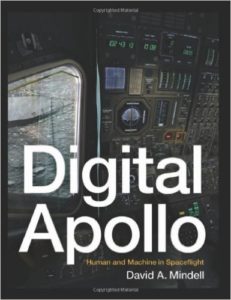
As Apollo 11's Lunar Module descended toward the moon under automatic control, a program alarm in the guidance computer's software nearly caused a mission abort.
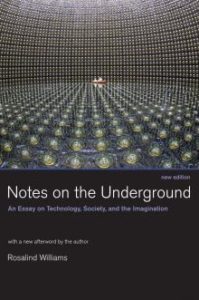
The underground has always played a prominent role in human imaginings, both as a place of refuge and as a source of fear. The late nineteenth century saw a new fascination with the underground as Western societies tried to cope with the pervasive changes of a new social and technological order.
For Sherry Turkle, "We think with the objects we love; we love the objects we think with." In Evocative Objects, Turkle collects writings by scientists, humanists, artists, and designers that trace the power of everyday things.
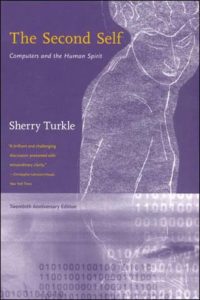
In The Second Self, Sherry Turkle looks at the computer not as a "tool," but as part of our social and psychological lives; she looks beyond how we use computer games and spreadsheets to explore how the computer affects our awareness of ourselves, of one another, and of our relationship with the world.
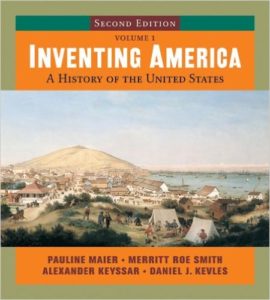
W. W. Norton presents Inventing America, a balanced new survey of American history by four outstanding historians. The text uses the theme of innovation—the impulse in American history to "make it new"—to integrate the political, economic, social, and cultural dimensions of the American story.
Pedagogy and the Practice of Science provides the first sustained examination of how scientists' and engineers' training shapes their research and careers. The wide-ranging essays move pedagogy to the center of science studies, asking where questions of scientists' training should fit into our studies of the history, sociology, and anthropology of science.
Feynman diagrams have revolutionized nearly every aspect of theoretical physics since the middle of the twentieth century. Introduced by the American physicist Richard Feynman (1918-88) soon after World War II as a means of simplifying lengthy calculations in quantum electrodynamics, they soon gained adherents in many branches of the discipline.
From Warfare to Welfare documents how American intellectuals, city leaders, and the federal government chose to attack problems in the nation's cities by borrowing techniques and technologies first designed for military engagement with foreign enemies.